26 Jun 2026
Digital Pathways to Rewards: How Transaction Methods Enhance Progression Through Loyalty Tiers in Cross-Platform Gaming Activities
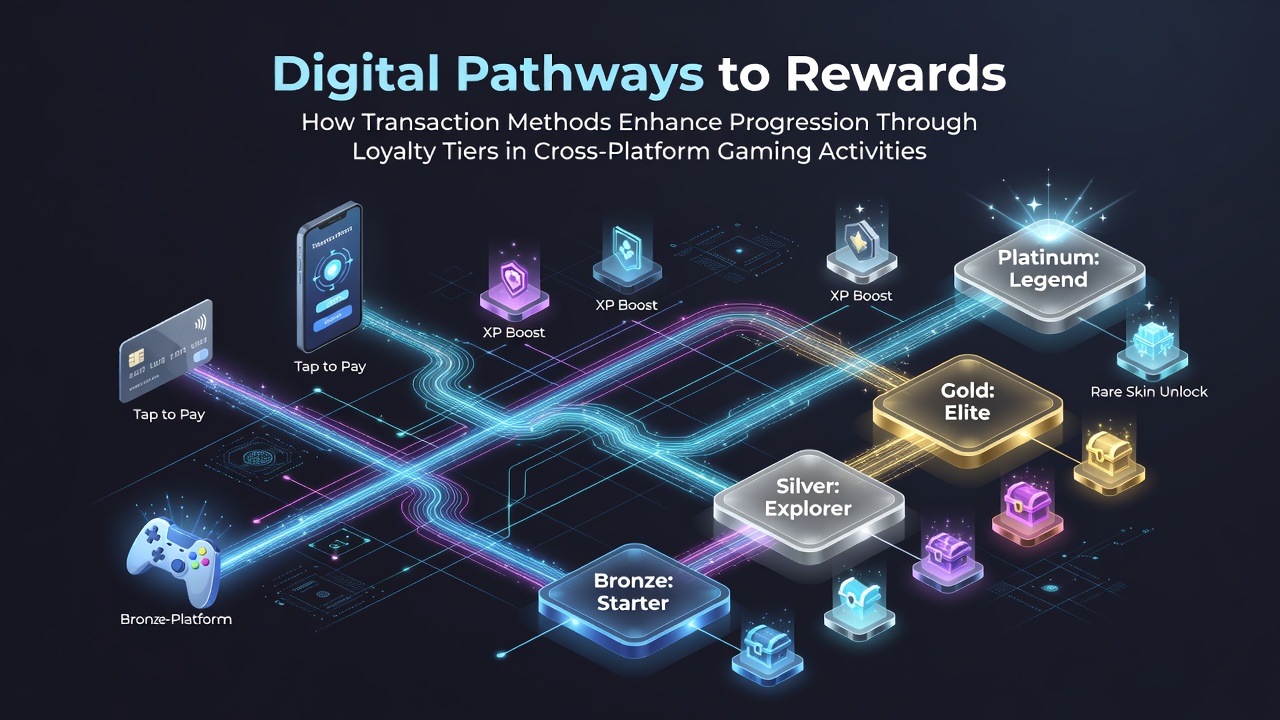
Transaction methods serve as critical connectors between player activity and loyalty advancement across multiple gaming environments, and observers note that seamless digital payments often accelerate point accumulation while reducing friction in tier climbs. Research from industry analysts shows that players who utilize instant processing options complete loyalty milestones faster than those relying on traditional bank transfers, with data indicating average progression times shortened by 25 to 40 percent in systems that integrate real-time crediting.
Core Transaction Mechanisms Driving Tier Advancement
Electronic wallets facilitate immediate fund movements between accounts and gaming platforms, which allows loyalty systems to register deposits and withdrawals without the delays associated with legacy banking, and this speed translates directly into quicker eligibility for higher reward brackets. Cryptocurrency options add another layer because blockchain confirmations occur within minutes rather than hours, enabling continuous play sessions that compound activity points across slots, table games, and sports interfaces on the same account. Observers have documented cases where participants using these faster rails reached platinum or diamond status weeks ahead of peers who stuck with card-based methods, particularly when cross-device logins triggered additional bonus multipliers tied to transaction volume.
Platform Integration and Point Synchronization
Cross-platform environments demand synchronized tracking so that activity on mobile apps feeds into the same loyalty ledger as desktop sessions, and transaction methods that support unified wallets eliminate the need for manual transfers between devices. Data from gaming software providers reveals that integrated payment gateways update loyalty balances in under ten seconds across operating systems, which prevents point loss during transitions and keeps progression streaks intact. Those who study player behavior patterns find that users who maintain consistent payment profiles across platforms accumulate tier credits at steadier rates because the system recognizes each transaction as part of one continuous profile rather than fragmented accounts.
June 2026 marks the scheduled rollout of updated interoperability standards in several North American jurisdictions, where regulators require licensed operators to adopt unified transaction protocols that automatically sync loyalty data between mobile, web, and in-venue terminals. These changes build on existing frameworks already tested in parts of Europe and Australia, and early adoption reports indicate smoother tier migrations for players who switch between digital channels throughout a single session.
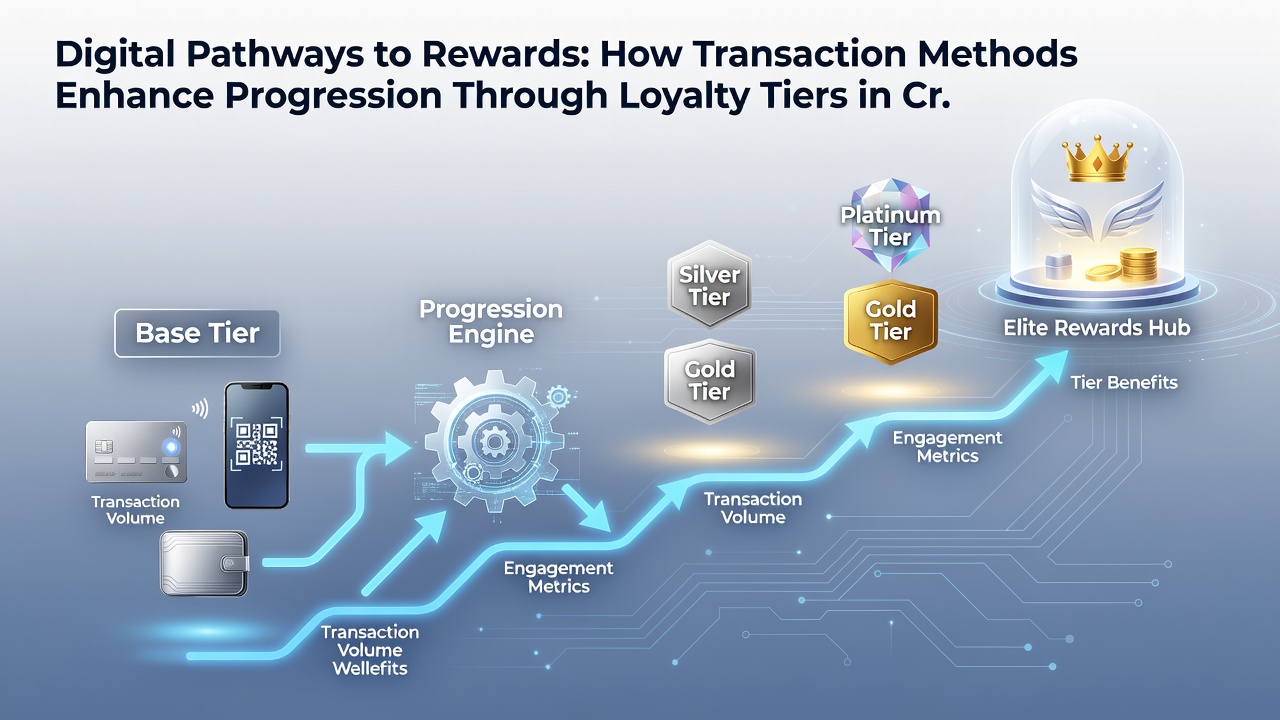
Comparative Impact of Payment Types on Reward Velocity
Traditional credit and debit cards continue to serve as baseline options yet introduce authorization holds that can pause point accrual until funds clear, whereas e-wallet solutions bypass these pauses through pre-verified balances. Studies conducted by the American Gaming Association highlight that operators offering tiered incentives for specific payment types see higher engagement from users who select instant methods, with reward redemption rates climbing when transaction speed aligns with loyalty calendar events. Bank transfers still appear in many systems for larger amounts but create gaps in activity tracking that slow advancement, particularly when cross-border verification steps extend settlement beyond 48 hours.
Regional variations further shape these dynamics because Canadian provincial frameworks emphasize consumer protection features within digital wallets, while Australian state guidelines focus on responsible spending limits that integrate directly with loyalty algorithms. Players who navigate these differences often select payment rails that match local compliance rules to avoid temporary account restrictions that interrupt tier progression. Evidence gathered from operator dashboards shows consistent patterns where diversified transaction portfolios correlate with faster movement through bronze to gold levels within six-month windows.
Security Protocols and Their Influence on Sustained Participation
Multi-factor authentication tied to payment accounts adds verification layers that protect against unauthorized activity, and these same protocols frequently double as loyalty verification steps that unlock additional tier benefits once completed. Observers note that platforms embedding biometric confirmation within transaction flows report fewer account freezes, which preserves ongoing point collection across devices. Academic analysis from the University of Nevada, Las Vegas gaming research center indicates that secure transaction environments encourage longer engagement periods because users feel confident maintaining active profiles without interruption risks.
Future Pathways in Transaction-Loyalty Alignment
Emerging tokenization techniques allow single-use payment credentials that still register full activity value toward tiers, reducing exposure while maintaining reward continuity. Integration with decentralized identifiers promises even tighter cross-platform linkage by letting players carry verified transaction histories between operators without repeated onboarding, and pilot programs scheduled for late 2026 aim to test these capabilities in live environments. Those tracking industry metrics expect these developments to standardize how payment speed and security jointly determine loyalty velocity, creating measurable advantages for participants who adopt compatible digital methods early.
Conclusion
Digital transaction pathways shape loyalty progression by determining how quickly activity converts into tier credits across connected gaming platforms, and the evidence consistently points to faster, more integrated methods delivering measurable advantages in advancement timelines. As standards evolve through 2026 and beyond, the alignment between payment infrastructure and reward systems will continue to define participation patterns for users who move between mobile, desktop, and venue-based experiences.