26 Jul 2026
Digital Transaction Coordination in Cross-Game Handheld Wagering Environments
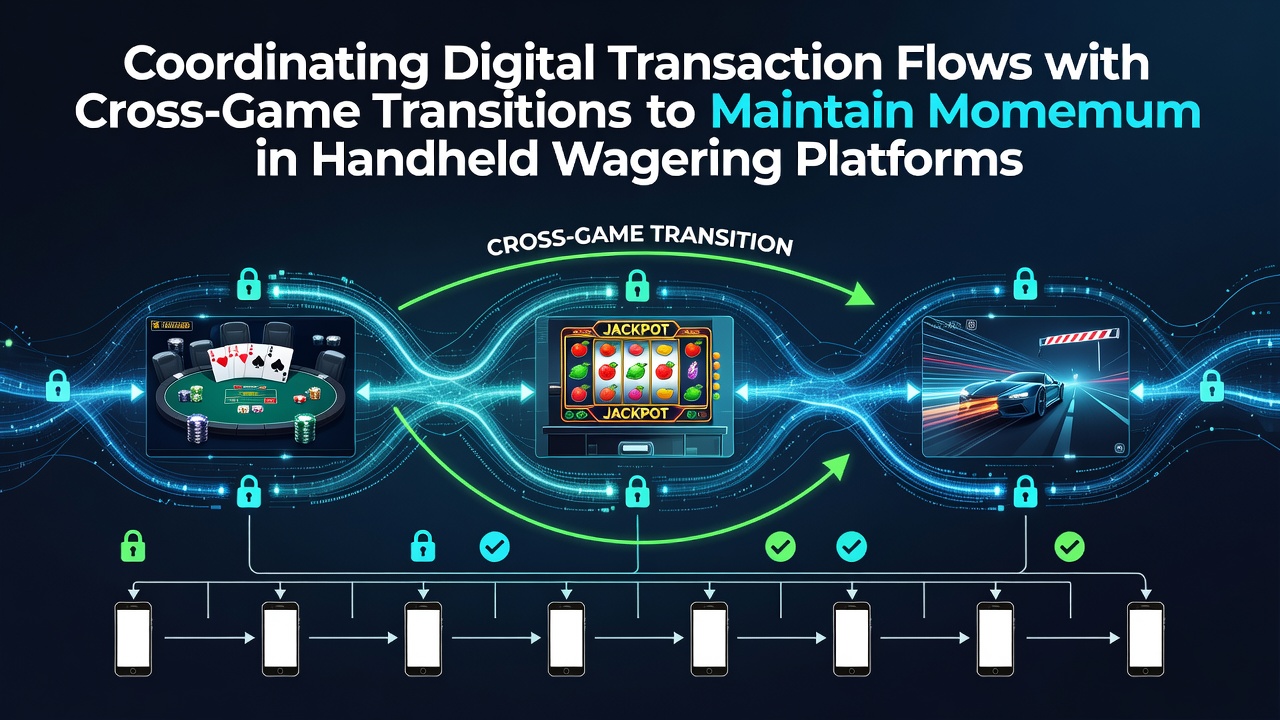
Handheld wagering platforms rely on coordinated digital transaction flows to support transitions between different game types while preserving user session continuity, and operators integrate payment processing layers with game servers to handle bets, wins, and balance updates in real time. These systems process requests through centralized ledgers that update across slots, table games, and sports betting modules without requiring separate logins or wallet refreshes, which allows momentum to continue as players move from one activity to another.
Core Components of Transaction Coordination
Transaction coordination begins with API gateways that route requests from the mobile client to backend payment processors, and these gateways validate funds availability before authorizing game entry. Real-time databases track player balances across multiple verticals so that a win from a slot session immediately becomes available for a sports bet without manual intervention or delay. Security protocols such as tokenization and end-to-end encryption protect each transfer while meeting data protection standards set by regulatory bodies in various jurisdictions.
Developers implement state management techniques that preserve game context during switches, which means partial bets or active rounds carry forward when users navigate to a new section of the app. Session tokens remain active across game engines, and background services monitor for any discrepancies in transaction logs to trigger automated reconciliations. This setup reduces friction points that could otherwise interrupt the flow of play.
Cross-Game Transition Mechanisms
Cross-game transitions depend on unified account structures that link all verticals to a single player profile, and operators use middleware layers to synchronize data between disparate game providers. When a user completes a slot round and selects a live dealer table, the platform transfers the current balance state along with any active bonuses through secure handoff protocols. These protocols ensure that promotional credits or loyalty points apply consistently regardless of the game type chosen next.
Studies from industry research groups show that platforms employing these synchronized flows experience higher session durations compared with fragmented systems, and data from North American operators indicates measurable improvements in player retention metrics after integration of such middleware. In July 2026 several testing frameworks for enhanced transition APIs are scheduled to roll out across select markets in Canada and Australia, which will allow further standardization of these handoff processes.
Technical Infrastructure Supporting Momentum
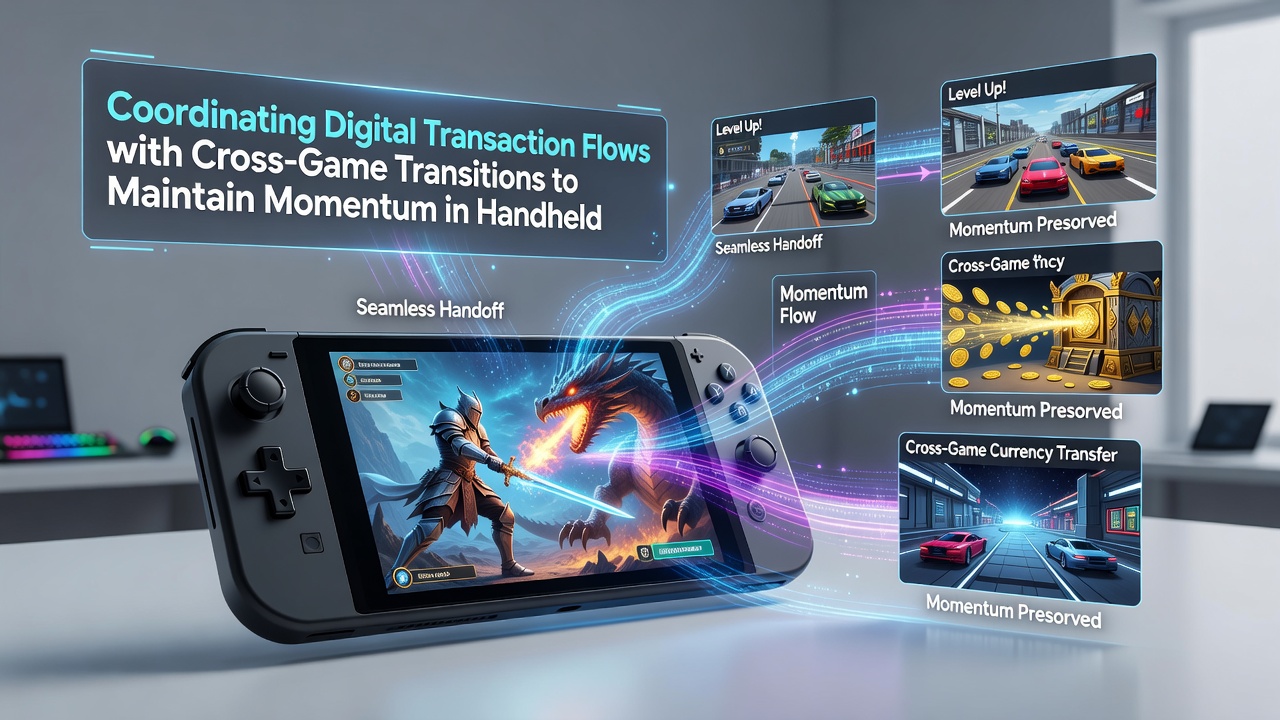
Cloud-based microservices handle the heavy lifting behind transaction coordination, with each service responsible for specific functions such as balance verification, bonus application, or fraud detection. Load balancers distribute incoming requests so that peak activity periods do not create bottlenecks during game switches. Observers note that containerized deployments allow operators to scale individual components independently, which keeps response times low even when thousands of players move between verticals simultaneously.
According to reports published by the American Gaming Association, mobile wagering traffic continues to represent a growing share of overall handle in regulated markets, and this growth has prompted investment in infrastructure that supports uninterrupted transaction sequences. Researchers at several universities have examined latency patterns in these environments and found that sub-second updates between games correlate with sustained engagement levels.
Regulatory and Compliance Considerations
Regulatory frameworks in the European Union and certain Australian states require detailed audit trails for every transaction that crosses game boundaries, so platforms maintain immutable logs that regulators can review on demand. Compliance teams integrate automated reporting tools that flag any anomalies in cross-game transfers, which helps operators demonstrate adherence to responsible gaming guidelines without manual data compilation.
Industry organizations such as the World Lottery Association have published guidelines on data integrity for multi-vertical platforms, and these documents emphasize the importance of consistent balance reconciliation across all game types. Operators that follow these recommendations report fewer compliance incidents during routine inspections.
Future Developments in Handheld Wagering
Emerging technologies including edge computing and improved 5G connectivity are expected to further reduce latency during game transitions, allowing even more fluid movement between wagering activities. Testing programs planned for mid-2026 in select regions will evaluate the impact of these enhancements on overall platform performance. Data from pilot projects suggests that faster synchronization can support additional features such as simultaneous participation in multiple game types within a single session.
Conclusion
Coordinating digital transaction flows with cross-game transitions enables handheld wagering platforms to deliver continuous momentum for users, and the technical elements involved range from API management to regulatory logging. As infrastructure evolves through 2026 and beyond, these systems will continue to adapt to new connectivity standards while maintaining the security and compliance requirements that govern the sector.