19 Jul 2026
Payment Integration and Loyalty Progression in Mobile Hybrid Gaming Platforms
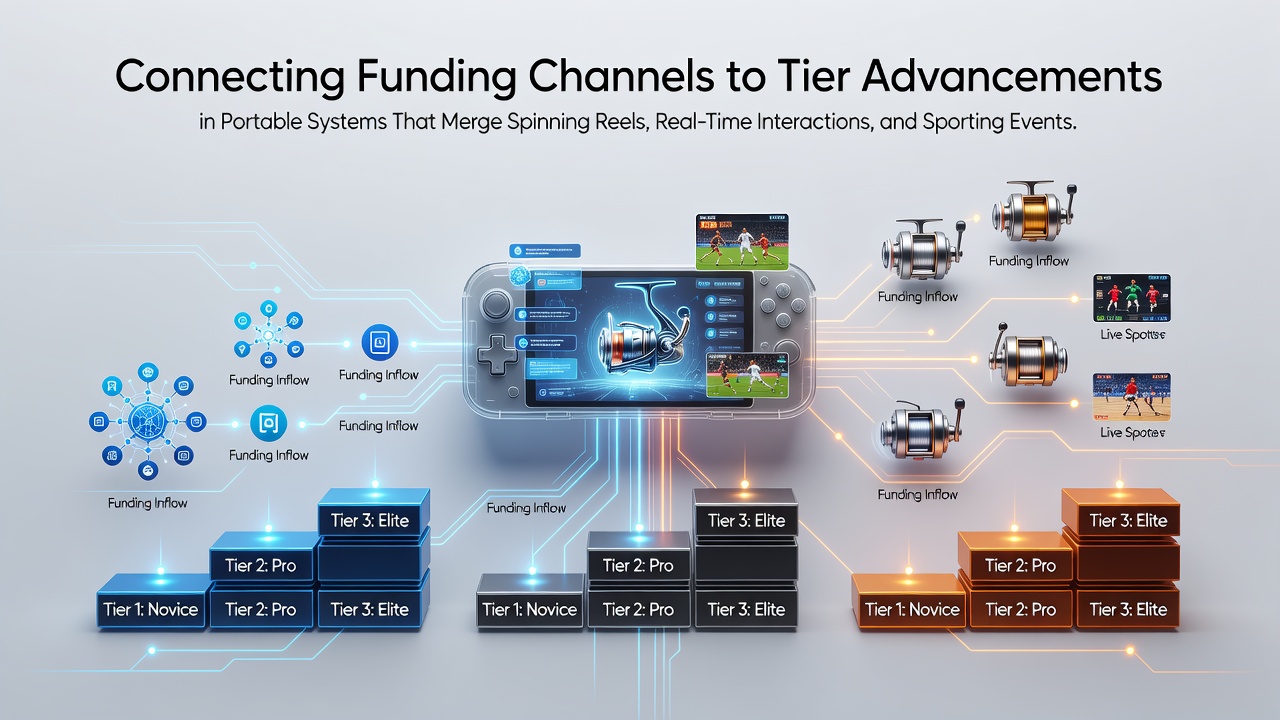
Portable systems that combine spinning reels, real-time dealer interactions, and sporting event wagering have created unified environments where funding channels connect directly to tier advancement mechanisms, and operators track player deposits across multiple game types to determine loyalty status.
Core Components of Hybrid Mobile Systems
These platforms operate through single applications that host slot machines alongside live dealer streams and live odds for sports matches, which allows users to move between activities while maintaining continuous account activity that feeds into centralized loyalty calculations. Funding channels such as bank transfers, digital wallets, and prepaid cards register as deposit events that accumulate points or qualify users for higher tiers when they meet volume thresholds set by each operator.
Linking Deposits to Tier Requirements
Operators structure tier systems around total deposit amounts, frequency of funding, and cross-game participation, so a player who funds an account through an approved e-wallet and then places wagers on slots, live tables, and sports events receives combined credit toward the next level. Data from platform analytics shows that users who connect multiple funding sources to their profiles advance through tiers faster because each deposit type contributes separately to the overall activity metric used by the loyalty engine.
Technical Architecture Supporting Seamless Connections
Backend systems synchronize payment gateways with loyalty databases in real time, which means a deposit processed through a mobile interface immediately updates both the balance and the tier progress indicator visible to the user. Developers implement API connections that pull transaction data from funding providers and push it into tier algorithms that calculate advancement based on criteria such as monthly deposit totals and participation across reels, live sessions, and sports markets.
One study conducted by researchers at the University of Nevada Reno examined transaction patterns in integrated gaming applications and found that players utilizing two or more distinct funding methods recorded higher rates of tier elevation within six-month periods compared with those relying on single channels.
Examples from Current Implementations
Operators in regulated markets have deployed features where funding a mobile wallet through a verified method unlocks instant tier points that apply across all game categories, and users who complete a sports bet immediately after a slot session receive additional multipliers on their progress bar. These mechanics rely on timestamped transaction logs that the system cross-references with game activity to prevent duplicate counting while still rewarding multi-format engagement.
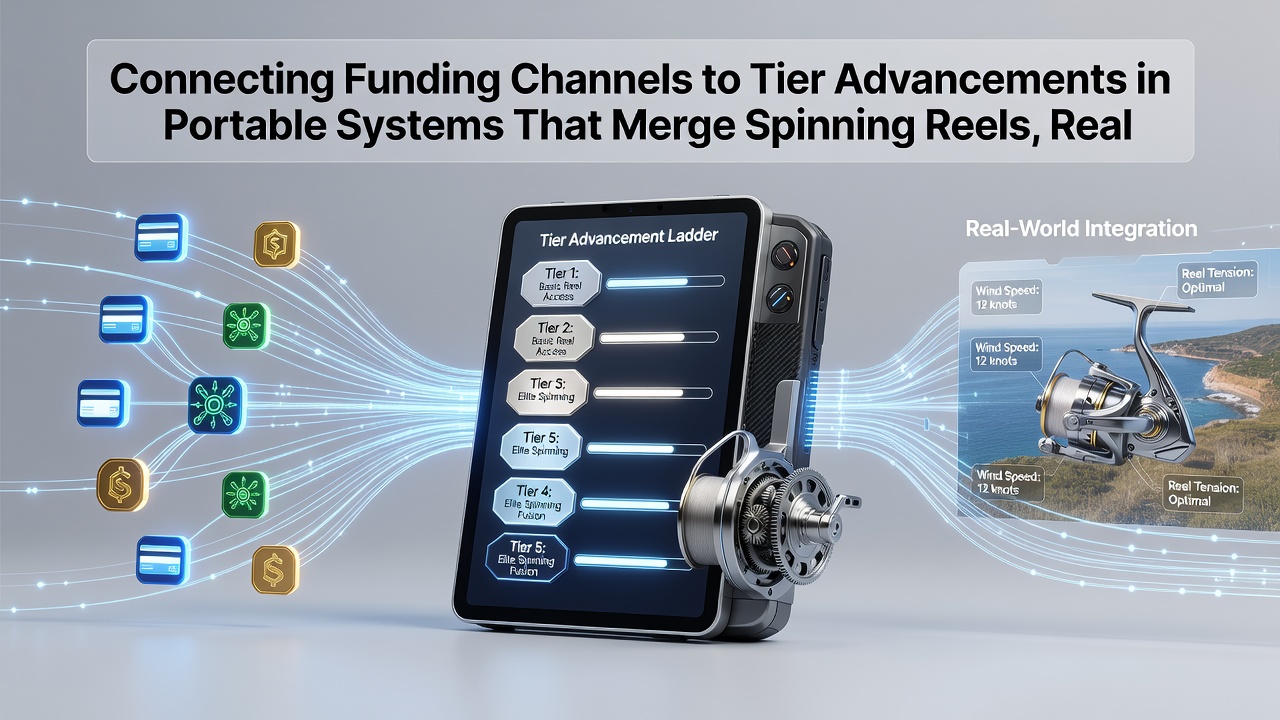
Industry reports from the European Gaming and Betting Association indicate that platforms offering unified loyalty tracking across hybrid content categories recorded increased average session lengths during the first half of 2026, with notable growth observed around July when several operators introduced enhanced funding-to-tier mapping tools.
Regulatory Context Across Regions
Authorities in multiple jurisdictions require transparent disclosure of how deposit activity influences tier status, and licensed operators must maintain audit trails that connect each funding event to the corresponding loyalty calculation. This oversight ensures that advancement rules remain consistent whether a player engages with spinning reels, participates in live dealer rounds, or places wagers on sporting events through the same mobile application.
Future Developments Expected in 2026 and Beyond
Platform providers continue to refine algorithms that weight different funding channels according to speed and verification level, which allows faster tier climbs for deposits completed through instant methods while maintaining security standards. Observers note that integration between payment processors and loyalty engines will likely expand further, enabling portable systems to deliver real-time tier updates across all merged game types without requiring users to navigate separate menus.
Conclusion
The connection between funding channels and tier advancements in these portable hybrid systems rests on synchronized data flows that register every deposit and game interaction within a single loyalty framework. As operators refine these linkages and regulatory bodies maintain oversight, the mechanisms that translate payment activity into tier progress continue to evolve across markets where slots, live interactions, and sports betting operate together in mobile environments.