7 Jun 2026
Portable Platforms Reshaping Transaction Trails From Deposits to Diversified Game Strategies

Portable platforms continue to transform how players initiate deposits and follow transaction paths across multiple gaming formats, and data from industry reports shows steady adoption rates in regulated markets worldwide. Mobile applications integrate payment systems that allow instant transfers while maintaining detailed records of each step from funding an account to placing bets or spinning reels. Observers note that these systems reduce friction in moving between deposit methods and actual gameplay, which encourages users to explore varied options rather than sticking to single categories.
Deposit Mechanisms on Mobile Devices
Transaction trails begin at the deposit stage where portable platforms support multiple funding sources including bank transfers, digital wallets, and prepaid cards. Research indicates that integration with these methods creates traceable sequences that operators use for compliance and player analytics. One study from the New Jersey Division of Gaming Enforcement revealed that mobile deposits now account for over 70 percent of total funding activity in that jurisdiction, with processing times often completing in under 30 seconds. Players frequently switch between methods within a single session because platforms display real-time balances and fee structures side by side.
Security protocols embedded in these applications encrypt each transfer, which helps maintain audit trails that regulators review during periodic assessments. Data shows that biometric authentication combined with device-specific tokens further secures the entry point, reducing instances of unauthorized access while preserving the speed that users expect on handheld devices.
Tracking Paths Through Varied Game Types
Once funds reach an account, transaction trails extend into diversified strategies where users allocate portions across slots, table games, and sports markets. Portable platforms display unified ledgers that update after every action, allowing seamless shifts from one format to another without separate logins or funding steps. Evidence from academic papers on digital gambling behavior suggests that such visibility encourages players to test combinations, such as pairing a slot session with a live odds wager on the same balance.
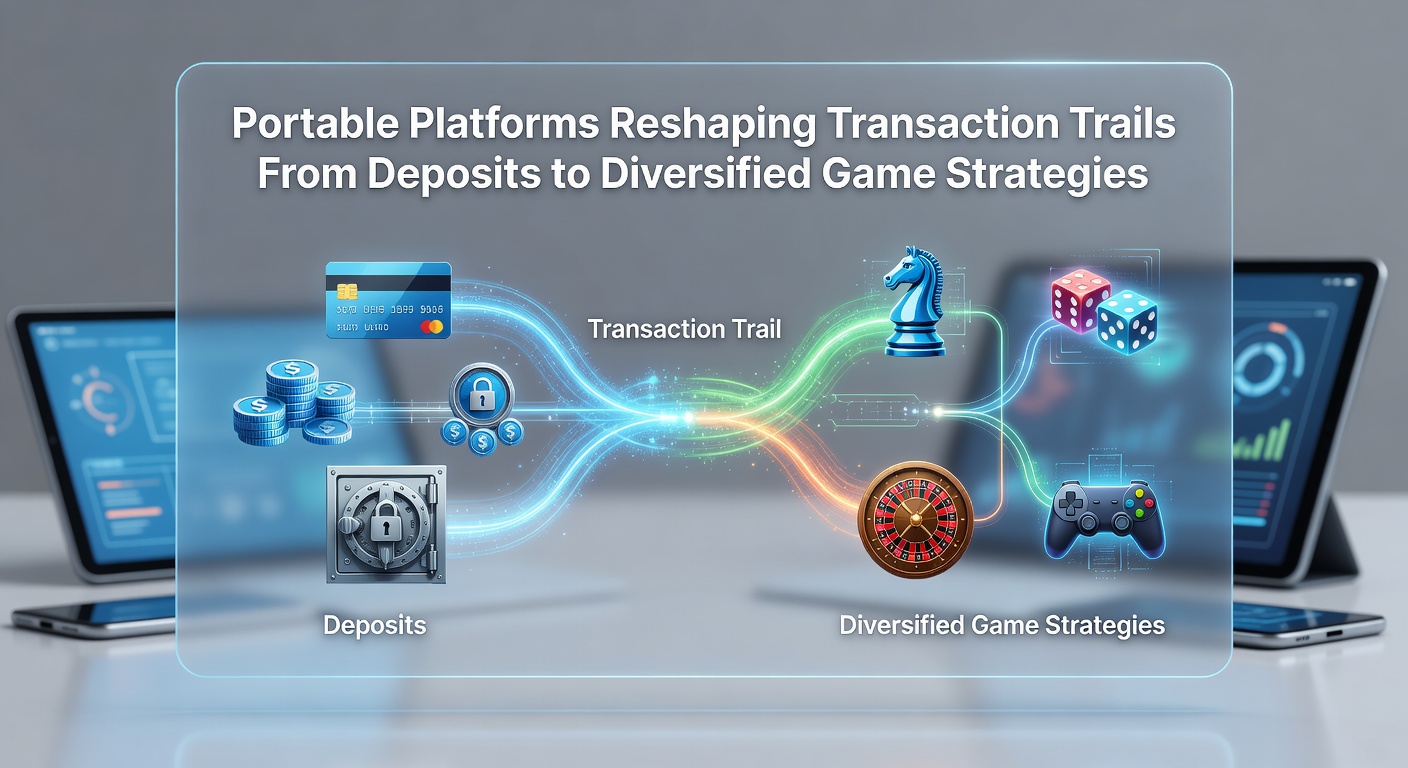
Analytics tools within these apps break down spending patterns by category and time of day, which operators then use to refine promotional offers. Figures from the Australian Communications and Media Authority indicate that players on mobile platforms engage with an average of 3.2 distinct game types per week compared to 1.8 on desktop interfaces. The continuous record of each move supports responsible gaming features like session limits that apply across all formats simultaneously.
Strategic Diversification Enabled by Portability
Portable platforms facilitate strategy diversification because users carry full account access wherever they go, turning brief periods of downtime into opportunities for cross-format play. Researchers discovered that this mobility leads to higher experimentation rates, with individuals testing sports betting after starting with slots or moving to live dealer tables following a series of virtual spins. Transaction trails capture these transitions in sequence, revealing correlations between deposit size and subsequent game choices.
Industry organizations such as the European Gaming and Betting Association have documented how integrated bonus structures on mobile apps reward multi-format participation, linking deposit streaks directly to rewards that apply across categories. This setup creates longer, interconnected trails rather than isolated segments, and operators track them to adjust loyalty tiers in real time. Those who monitor these patterns observe that players often return to the same platform because the unified interface simplifies managing multiple strategies without switching applications.
Regulatory Context in Mid-2026
By June 2026 several jurisdictions had updated guidelines around mobile transaction reporting, requiring operators to maintain portable platform logs for extended periods. These rules emphasize transparency in how deposits flow into diversified game strategies, with particular attention to cross-border transfers handled through digital wallets. Compliance data released by the Malta Gaming Authority shows improved detection of irregular patterns when platforms centralize records in this manner.
Technology updates scheduled around that period introduced enhanced API connections between payment processors and game servers, shortening the gap between funding and first wager while preserving full audit capability. Observers note that these changes align with broader efforts to standardize mobile practices across regions without disrupting user experience.
Conclusion
Portable platforms have established new standards for managing deposits and following the resulting transaction trails into diversified game strategies. Data from multiple regulatory bodies confirms that mobile integration supports both operational efficiency and player choice across formats. Continued evolution in these systems points toward even tighter connections between funding steps and gameplay decisions in the years ahead.