21 Jun 2026
The Role of Transaction Speed in Optimizing Accumulation Within Tiered Membership Frameworks
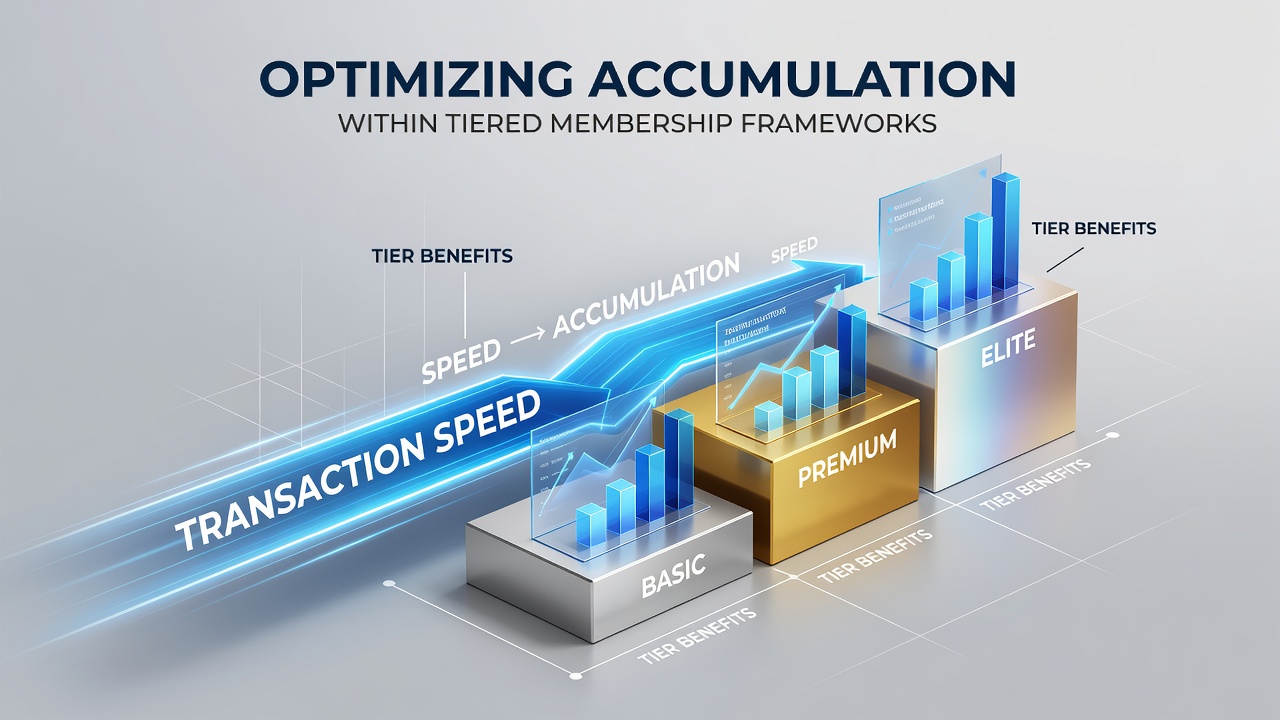
Transaction speed plays a central part in how quickly participants build value inside tiered membership systems across retail, financial services, and subscription platforms. Faster processing allows points, miles, or credits to register in real time, which in turn accelerates movement between membership levels that offer escalating benefits. Data from payment networks shows that settlement times under two seconds correlate with higher accumulation rates in programs tracked by major issuers.
Observers note that traditional batch processing, which once delayed point credits by 24 to 72 hours, created friction in reaching higher tiers. Modern systems using instant authorization and near-instant settlement change that dynamic. Researchers at several universities have documented cases where reduced latency increased monthly point totals by 15 to 30 percent among frequent users in airline and hotel loyalty schemes.
How Processing Times Shape Tier Progression
Tiered frameworks typically require accumulated activity thresholds within fixed windows, such as calendar quarters or rolling 12-month periods. When transactions clear immediately, the recorded activity feeds directly into progress meters. One study released by the European Payments Council in early 2025 found that platforms adopting real-time rails saw 22 percent more members cross into premium tiers compared with those relying on next-day posting.
Payment rails matter here. Systems built on card networks, account-to-account transfers, or blockchain-based ledgers each carry different latency profiles. Card transactions often authorize in under a second yet post to loyalty ledgers hours later, whereas certain digital wallet solutions update balances in milliseconds. The gap between authorization and ledger update determines whether a user receives credit before a tier deadline expires.
Real-World Implementation Patterns
Retail coalitions such as those operating in Canada and Australia have integrated instant payment interfaces that push transaction data into loyalty engines without delay. Members who pay at checkout with linked accounts see points appear before they leave the store. This immediacy supports same-day tier upgrades during high-volume shopping periods, particularly around seasonal events.
Financial institutions running cash-back and rewards credit cards report similar effects. When rewards post within the same billing cycle rather than the next one, cardholders reach spending thresholds faster and unlock elevated cash-back rates or travel credits sooner. Figures released by the Reserve Bank of Australia in late 2025 indicated that instant-reward programs experienced 18 percent faster tier advancement among users who activated real-time features.
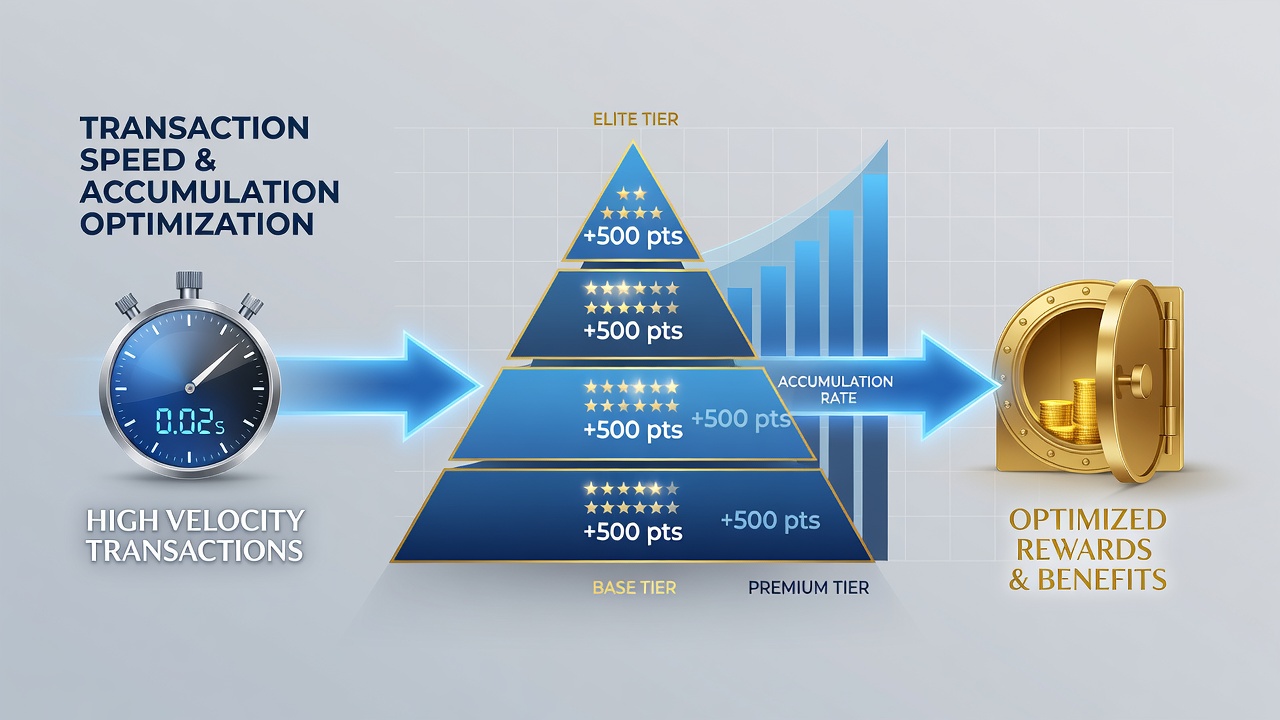
Technical Factors Driving Accumulation Efficiency
API integration between payment processors and loyalty databases removes manual reconciliation steps that once introduced multi-day lags. Automated matching of transaction identifiers to member profiles now occurs in the background, allowing systems to apply bonuses or multipliers without human review. Those who've examined these architectures note that reduced touchpoints lower both error rates and processing windows.
Security protocols also influence speed. Tokenization and biometric authentication enable quick verification while maintaining compliance standards required by regulators in multiple jurisdictions. Programs that combine these tools with open banking connections further compress the time between purchase and point credit, creating tighter feedback loops for participants tracking their progress toward the next tier.
Regional Developments Around Mid-2026
By June 2026 several markets had expanded access to faster payment systems that loyalty operators could plug into directly. North American networks rolled out enhanced instant transfer capabilities, while European schemes built on existing instant credit transfer infrastructure to support cross-border rewards. Industry reports from trade groups indicate that operators adopting these rails recorded measurable lifts in member engagement metrics tied directly to accumulation velocity.
Academic papers published during the same period examined the downstream effects on program economics. Faster accumulation sometimes led to earlier redemption of benefits, which in turn influenced how operators structured their liability reserves. The studies highlighted that real-time visibility into point balances also changed member behavior, prompting more frequent smaller transactions that collectively pushed users across tier thresholds.
Conclusion
Transaction speed functions as a structural element within tiered membership frameworks rather than a peripheral convenience. Platforms that align payment rails with loyalty engines enable continuous accumulation that matches the pace of member activity. Data from regulatory bodies, payment associations, and academic researchers consistently shows measurable differences in tier progression rates when settlement times shrink from days to seconds. Those patterns continue to shape how operators design thresholds and how members experience the climb through successive levels of benefits.