3 Jul 2026
Transaction Bridges Linking Portable Sessions to Elevated Membership Benefits in Varied Game Formats
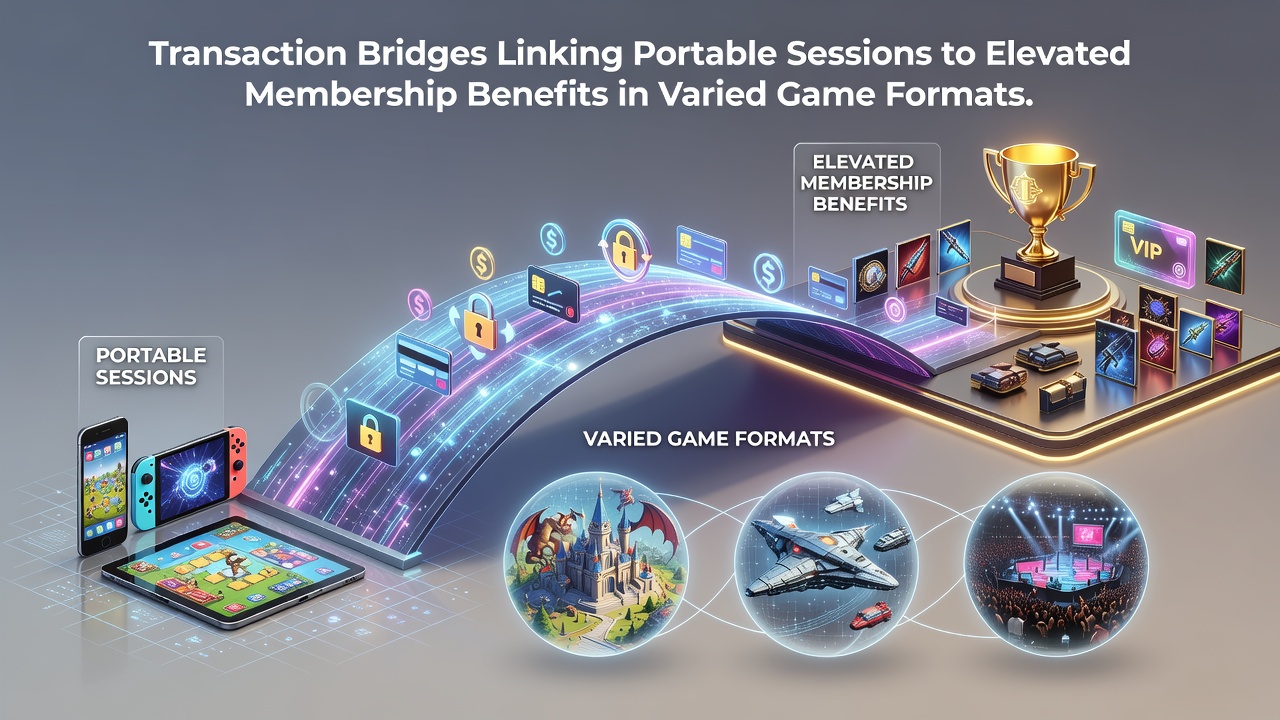
Transaction bridges function as integrated systems that transfer session data from portable devices into centralized membership frameworks, allowing players to accumulate benefits across slots, live dealer tables, and sports betting environments without resetting progress at each transition point. These mechanisms rely on real-time data synchronization protocols that record wager volumes, session durations, and outcome patterns from mobile interfaces before routing them toward tiered reward structures.
Operators implement these bridges through application programming interfaces that connect device-level transaction logs with backend loyalty engines, and research from the University of Nevada Reno's gaming innovation lab shows how such linkages increase cross-format participation rates by measurable margins in controlled platform trials. Data from those studies indicates that users who maintain continuous session histories through bridged transactions reach higher membership tiers faster than those operating in isolated game silos.
How Portable Session Data Flows Into Membership Systems
Portable sessions begin on smartphones or tablets where players initiate wagers in one format before the bridge captures transaction metadata including bet sizes, time stamps, and game categories. The system then forwards this information to a unified profile that calculates eligibility for elevated status across additional formats, and this process eliminates the need for manual transfers or repeated logins that previously fragmented player activity. Observers note that seamless connectivity depends on secure encryption standards which prevent data loss during handoffs between mobile networks and casino servers.
Industry reports from the Canadian Gaming Association highlight adoption patterns where platforms using transaction bridges recorded sustained increases in multi-format engagement, particularly when users moved from slot sessions to live dealer environments or sports markets within the same account lifecycle. Those who've studied platform analytics find that the bridges activate automatically once predefined thresholds like total wager amounts or consecutive play periods get met, triggering automatic upgrades to membership levels that unlock enhanced payout multipliers or exclusive event access.
Benefits Across Slots, Live Tables, and Sports Betting
In slot formats, bridged transactions convert reel spins and bonus round results into loyalty points that carry forward to live dealer tables where players receive priority seating or reduced commission rates based on accumulated history. Sports betting sections benefit similarly when session data from earlier mobile wagers qualifies users for enhanced odds boosts or cashback structures tied to overall membership elevation, and this cross-pollination creates unified progression paths rather than separate tracks for each vertical.
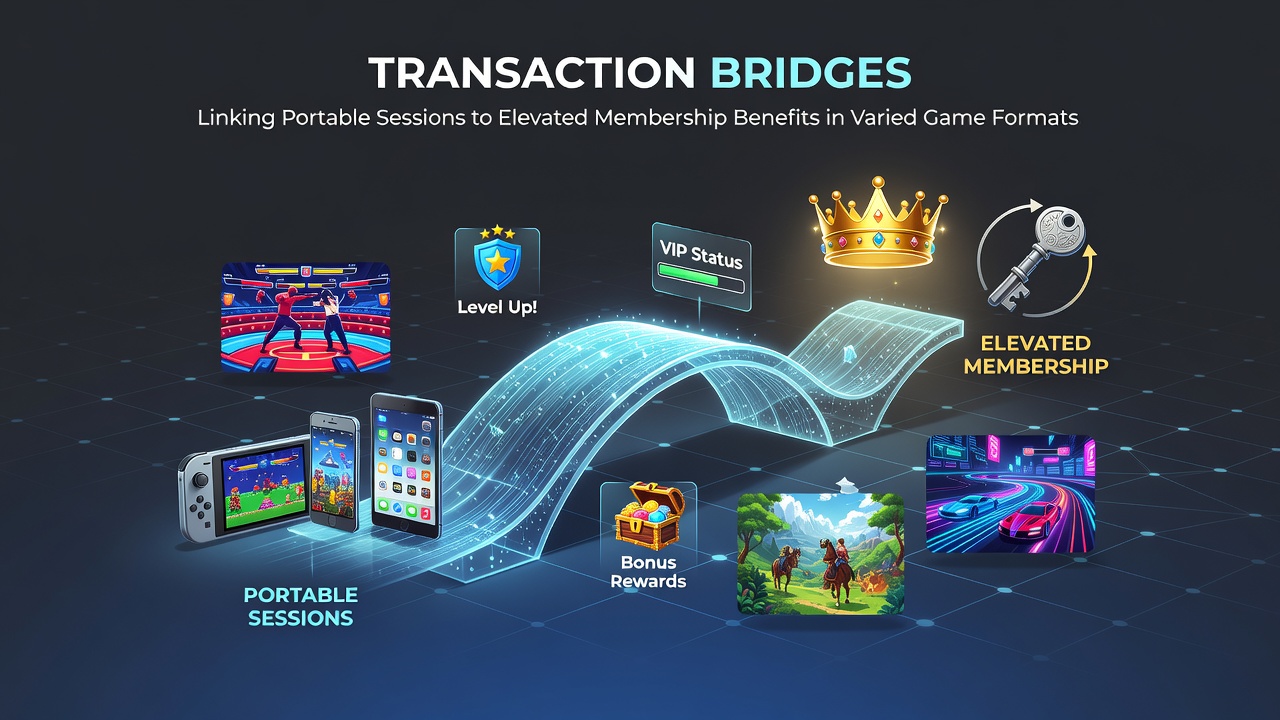
What's interesting is how these systems handle concurrent activity, such as a player placing sports bets while maintaining an active slot session on another device. The bridge consolidates both streams into a single metric stream that advances tier status without requiring users to pause one activity for the other, and evidence from platform performance metrics released in mid-2025 demonstrates consistent tier advancement timelines across regions where such technology operates at scale.
Technical Infrastructure Supporting July 2026 Standards
Regulatory frameworks scheduled for implementation in July 2026 emphasize standardized data portability requirements that encourage wider deployment of transaction bridges, particularly in jurisdictions overseen by bodies like the Nevada Gaming Control Board and the Australian Communications and Media Authority. These guidelines focus on interoperability between portable client applications and central membership databases, ensuring that session continuity remains intact even during network transitions or device switches.
Developers integrate blockchain elements in some bridge architectures to create immutable records of transaction histories, which supports audit trails for membership benefit calculations while maintaining compliance with emerging technical specifications. Those who've examined early pilot programs report that these additions reduce reconciliation errors between different game format ledgers, allowing operators to scale reward programs without proportional increases in administrative overhead.
Case Examples From Operational Platforms
One documented deployment involved a multi-format operator where mobile slot sessions fed directly into live table qualification metrics, resulting in documented rises in player retention across both categories according to internal performance summaries. Another instance tracked sports betting activity bridging into slot-based loyalty accruals, where cumulative stakes from odds wagers accelerated access to higher membership brackets that offered enhanced free spin allocations and table minimum reductions.
Researchers at the International Centre for Gaming Research have examined similar configurations and found that transaction bridges contribute to more balanced distribution of player time across formats, reducing the concentration of activity in single verticals that characterized earlier platform designs. This balance emerges because the system rewards continued engagement regardless of which format generates the underlying transactions, and the resulting membership benefits apply universally once thresholds are cleared.
Conclusion
Transaction bridges establish direct pathways that convert portable gaming sessions into progressive membership advantages spanning varied formats, supported by data synchronization tools and regulatory developments aligned with July 2026 timelines. Platforms that deploy these systems demonstrate measurable shifts in how players interact across slots, live dealer offerings, and sports betting sections through unified tracking mechanisms. Continued refinement of these infrastructures will likely expand the scope of cross-format benefit structures as technical standards evolve.